Mike Piero
Listen to Mike read his story:
The year began like any other: foolhardy New Year’s resolutions, morning trips to Starbucks with no tips, a weird new haircut, a weird new President, and the dis-ease tethered to feeling stuck – in jobs and friendships, to my partner, to life.
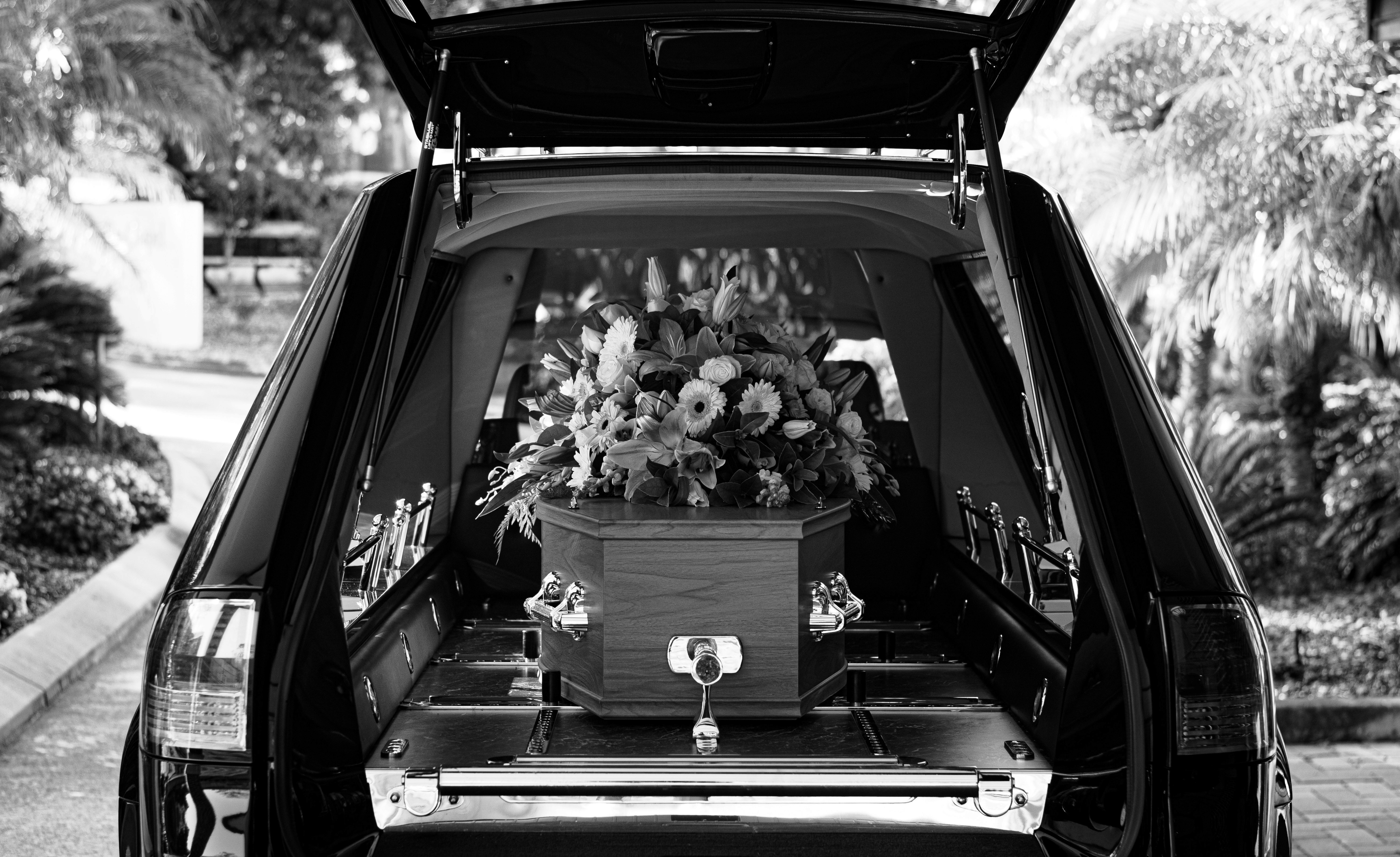
And then the dads started dying. Not just any dads – friend group dads. Amy’s father was the first to leave. Jason was an electrician by trade, a quiet-until-not kind of man of steady hand. Amy never saw him cry, except once when he ate a ghost pepper on a dare during a Super Bowl party at their house – a new ritual born from Hot Ones, though without the celebrity. My father was there laughing his ass off at Jason struggling to breathe – completely on brand for him.
Heart attack. Massive. Not from the wings though, but other things, the doctor said: probabilistic chronic inflammation, high intake of hydrogenated fat, stress, and a cold climate. Or a hot climate. It could go either way. Jason’s doctor didn’t say anything about the years of screaming at his wife and daughter, which I witnessed on multiple occasions during sleepovers, one time so violent that I ran out of their house around 11:00 pm back to my home a few streets over.
“I’m so sorry for your loss, Amy,” was all I could muster over text.
“Thanks. It’s just been such a shock. He was only 62, three years from retirement.”
I thought how ill-suited Jason was for the banal realities of retirement, but I kept that to myself. I left many hearts on her posts that day.
“If there’s anything I can do, Amy, just say the word.”
“Thanks,” she replied.
But then Michael died two weeks later after a series of skin cancer skirmishes, too young for skin cancer, they said. Jasmine was beside herself with grief, like a woman caught unaware in a sinkhole in Cuban heel shoes. He had beaten it several times: first the basal cell on his face, then the squamous cell on his arm, but the melanoma fought hard, penetrated deep.
“It’s not a fight,” he would say, “not a battle. All the narratives are wrong.”
Michael was a professor of world literatures, and he was insistent. Demanding. Uncompromising. Even to the end. Jasmine loved him deeply though, despite the Type A personality he left as her inheritance, despite the alcoholism, despite the shame of his various affairs over the years that she wasn’t supposed to know about (but did). She held his hand as he withered away in hospice, a ghostly figure hallowed out by a mighty and dreadful death. So much loose, pale skin. Death saw it as a battle.
I thought about my own father when the other dads died: his bowling ball bag in hand headed to the lanes, his clean-shaven face, his pristinely-kept new house in Scottsdale, the permanently red imprints from his glasses’ nose pieces, his abuse.
When Jackie’s father quietly passed, the whole town turned up for the wake, the funeral home’s asphalt lot packed with Audis and BMWs, even a non-vandalized cybertruck or two. Scott was a corporate lawyer and had served on several boards of local nonprofits and colleges. In his eulogy, the word “fixture” reappeared, along with “well-respected,” “stalwart,” and “leader.” Jackie, her siblings, and her mother were dressed in black and mourned publicly with restraint – a dignified grief, a kind that would have made Scott proud. His cousins smoked pot in their suits out back.
“Appearances are all that matter,” he used to tell Jackie from about middle school onwards, the kind of axiom that would elicit arguments among our friends during those changeful years.
“Appearances aren’t real,” I once said, stone-faced and angry at the implications.
Jackie had just smiled at me with only the slightest dose of condescension, as though she knew some secret life lesson her father and his lot had kept from the masses. Restraint matters – the appearance of control. Strategic restraint, I once heard Scott call out when Jackie blew her top after spilling a glass of lemonade in their hot tub.
I didn’t know what to say to Jackie, whom I had always envied because of how close she and her father were. She somehow snagged a good one out of a sea of losers, perverts, and deadbeats, I thought.
“I’m sorry, Jackie. I’m here for you. He was SO proud of you,” I wrote, all true—what else could one say?
“Thank you. I don’t know what I’m going to do without him.”
I hearted the message, refusing to take the last word – it belonged to her. Or maybe that was just a weak excuse to avoid the social messiness of the moment. I couldn’t know for sure. I couldn’t imagine being at a loss for how to go on if my own father died, drunken brute that he was – always degrading me, slapping my butt as he passed, criticizing me, arguing. What was it like to live with a father who affirmed that you are enough, not lacking?
What the fuck was that like?
Celebrities are said to die in threes – such was the spectacle proffered by the media – and I thought that the year would finally calm down.
But then Andy’s dad died, and we didn’t know how to comfort him. He went deathly quiet and neglected his friends, including me. We had been best buds since sixth grade, ever since we both got kicked out of choir for making up our own lyrics to patriotic songs.
O beautiful for spacious lies,
For amber waves of pee,
For jiggly boobies majesties
Above the penis plains!
America! America!
We shared a twisted sense of humor, a mingled desperation at life that grew along with us. We even dated for six months in high school. He dumped me for a woman with bigger tits, but we moved on, healed. I still sometimes think of him while bra shopping.
Andy’s father, Chris, used to hit on the young women at parties – cringe innuendos, baked glances that weren’t as subtle as he thought, touching arms. We all gave Andy shit about the old creep. He never did tell us how his father died, hiding the details Sphinx-like from those not worthy of the information – that included all of us, apparently. We quietly guessed after the dust had settled. Auto-erotic asphyxiation? Beaten by strip club bouncers and left bleeding in the moonlight? Suicide? No one knew.
We made it from July through September without any dead dads, which was weird since deaths appeared to be more prevalent in the hot summer months; even though research had proved that the colder months killed more. The tree leaves flashed us some color and then went goblin-mode into full exhibitionism. We all – except Andy – shared pictures of the colorful leaves and then later the nude branches. Seasons change and whatnot. We looked to nature for answers and for comfort – a metaphor, a trope, meaning, significance.
Nothing to be done but wait for the grief to pass. We treaded carefully and quietly in our group chat, like not engaging an old woman at Bob Evans who makes a nosey comment about your septum ring.
When my father’s time was up from decades of throwing back brewskis, I received a call from his executor – my uncle – who informed me of the news. I hadn’t seen him since my freshman year of college when he drunkenly [ ] me for being me. What I felt about the news of his death wasn’t relief, certainly not that, but neither was it grief. Kate Chopin knew, perhaps. There was something surreal about the whole thing: this man had pretended my whole life that he would never die, that his ways were God’s ways, that his life was worth more than others, more than mine.
And now he was dead.
Jackie was the first to send a sympathy message.
“OMG, I can’t believe the news. I’m so sorry for your loss. I know you weren’t close, but still, it’s hard.”
All accurate. Jackie was certainly one for accuracy. Some thought she was a fake bitch in the vernacular of our friend group, but I always appreciated her gestures. Besides, talking shit about your friends meant you were one of the group.
I wondered what they all thought about him, since I certainly had my opinions about all of their (dead) dads. No one would ever tell me now. I should have asked earlier. Dammit.
“Thanks, Jackie. Yes, hard, but as you said, we weren’t close,” I replied, setting my phone to DND mode to let her off the hook for a response.
“I’m sure he was proud of you,” she replied anyways, betraying how little she actually knew about the man. I gave the message a thumbs up, which might have well been a middle finger.
Andy wrote nothing, a silence that greeted me as a comfort. He attended the wake but said he couldn’t stomach funerals, especially the religious ones (and of that subset, especially evangelical Christian ones). I could relate to that honesty, which washed over me like a cooling waterfall amid the squelching heat of disingenuous comments on the brute’s character and kindness, oh the anecdotes flowed so freely, one could be consumed by them.
Apparently, my father had been very generous to other people – friends of the family, church people, colleagues and their children. It seemed he reserved the worst for me.
Jasmine couldn’t stop crying at the funeral, and I had to comfort her, which I didn’t mind because it made me feel useful. She wept for her own ongoing mourning of her father; they all did. Everyone cried but me and Andy.
After the funeral, there was a reception that I skipped. My friends joined me at a nearby bar, The Plucky Scholar. We ate deep fried vegetables and drank dark beer. Amy took a sip in solidarity, even though she didn’t drink.
One by one they left, until it was just me and Andy pounding the bartop at each other’s vulgar jokes. The tributaries of our respective hatred for our fathers joined, and he kissed me. I felt young again, almost free.
“Truth or dare?” I said with a coy smile.
“Dare.”
“Really? Right out of the gate with dare, my man?” I teased. “Very well – follow me and do what I tell you.”
“Okay.”
I took his hand and led him into the single-use bathroom back near the kitchen. I ordered him down on his knees, and he obeyed my every word. Neither of us believed in a heaven or hell – perhaps that was easier than picturing our fathers in the fiery depths? – but our bathroom shenanigans were twenty minutes of pure heaven.
When we returned to our seats, our drinks were gone and only a check remained, which Andy kindly paid.
“Truth or Dare?” I said again.
“Hey, it’s my turn.”
“Well,” I pleaded, pouting, “I just buried my father today.”
“Fine,” he rolled his drunk, satisfied eyes. “Truth.”
“How did your dad die, Andy?”
He thought for a moment, quickly bringing his hand up to his bearded face.
“He’s not dead,” Andy confessed. “He left us for a younger woman he met online from Columbia. He moved there – definitively. It was just easier to tell people he was dead.”
“I see,” I said. “I’m sorry he abandoned you.”
“In a way, he is dead.” He sighed, signing the credit card receipt. “Dead to me at least.”
We went back to his place and drowned ourselves in a ritual of flesh and sweat to put the year of dead dads in the past. A year that ended with a scream and a sigh.
Mike Piero, Ph.D. (he/him) is a bisexual writer and professor in Northeast Ohio, where he teaches courses in writing, literature, the humanities, and game studies. His short fiction has appeared in J Journal: New Writing on Justice, Midway Journal, Moveable Type, and Oak Tree Journal. His debut novel, Rogue Burnout, is represented by Mark Gottlieb at Trident Media Group and seeking a home. He can be reached at http://www.mikepiero.org or Bluesky @mikepiero.org.
Read more from Mike:
Midway Journal – ‘Latibule‘
J Journal – ‘The Keeper of Numbers‘
 TRASH CAT LIT