Spring General Issue – Preloved Stories
Following the launch of each of our issues, we cajole one or more of the contributors into a mini interview with the Trash Cat.
Here they will reveal some writing wisdom and tell you what trash critter they identify with most. Important stuff like that.
Today, we have Emily Macdonald
You can read her tense, character-driven short story, Watching the Rotarangi Girls HERE
Q: What piece of writing advice/ crafting rule would you trash?
A: I think all writing advice has merit and is especially helpful when starting out as there are so many pits to fall into. The classic piece of advice is to ‘avoid cliché’ but the cliché ‘all rules are made to be broken’ becomes truer with growing confidence, a lot of practice and mistakes made along the way.
Q: Which writers and magazines do you go to to find treasure to read?
A: I’m an eclectic reader and I’m always excited by beautiful language. I go through all sorts of reading phases. Anything from Westerns, Classics, Crime and Thrillers, the Booker nominees etc. Books by Irish writers such as Claire Keegan, Kevin Barry, John Banville, Anne Enright, Sebastian Barry seem to hit my ‘favourite’s’ list time and time again. As I grew up in NZ, I like to keep up with NZ fiction (long and short) via Kete Books and from Australia, I’m a huge fan of Tim Winton.
I dip in and out of all sorts of magazines especially via recommendations by writers on social media and through forums such as Matt Kendrick’s modettes series. I love the swagger that can be found in Had, Bull Lit and Cowboy Jamboree and I consistently admire the stories of Emily Rinkema and Mike Fox.
Q: What trash animal do you most identify with?
A: I’d like to imagine I was as cool as a panther but my family would die laughing.
I’m more of a labrador dog – I enjoy a good walk and I’m easily persuaded by a good meal.
Q: When your writing mojo is trashed, how do you recharge?
A: My mojo is often elusive and I’m a great procrastinator. I find walking can be a good way to unravel a problem in a story and I find sleeping on a story also helps.
Courses and workshops have been great for me as there’s an expectation to actually write something (!) and I always find a deadline motivating.
Q: If you could offer three tips to writing short treasures, what would they be?
A: Goodness. I think if I knew the answer to this, the word ‘rejection’ might not appear in my inbox quite so often as it does.
All I know is that for me, I’m prone to being very impatient. I’m trying to learn to slow down, to give my stories time to breathe and to reveal their issues/strengths/weaknesses.
I’m also trying not to hem myself in by a word count as sometimes a micro might need to be a flash, might need to be a short story etc. My lovely BETA friends often respond to an early draft of mine by saying they think there’s a bigger story to tell.
And finally, never skip the reading aloud. I make my computer read to me as otherwise I read what I think I’ve written rather than what’s on the page. For me, reading aloud shows my clumsiness, unintentional repetition and problems with rhythm.
Q: What is one thing, if spotted in a crowded charity shop/thrift store, you would just have to buy
A: I’m at that stage in my life when I’m trying to reduce rather than add having indulged in many collecting fads over the years (though nothing as interesting as skulls). I still own too much Lobster Carlton Ware, have too many shoes I won’t have occasion to wear, spend too much money on wine and can’t resist a plant sale.
The Carlton Ware phase was big for a while but now it’s studio pottery slip ware. I also love Sunderland Ware though I can’t afford it. My father used to have a Sunderland plaque hung over the bath that read, ‘Thou God Seest me’.
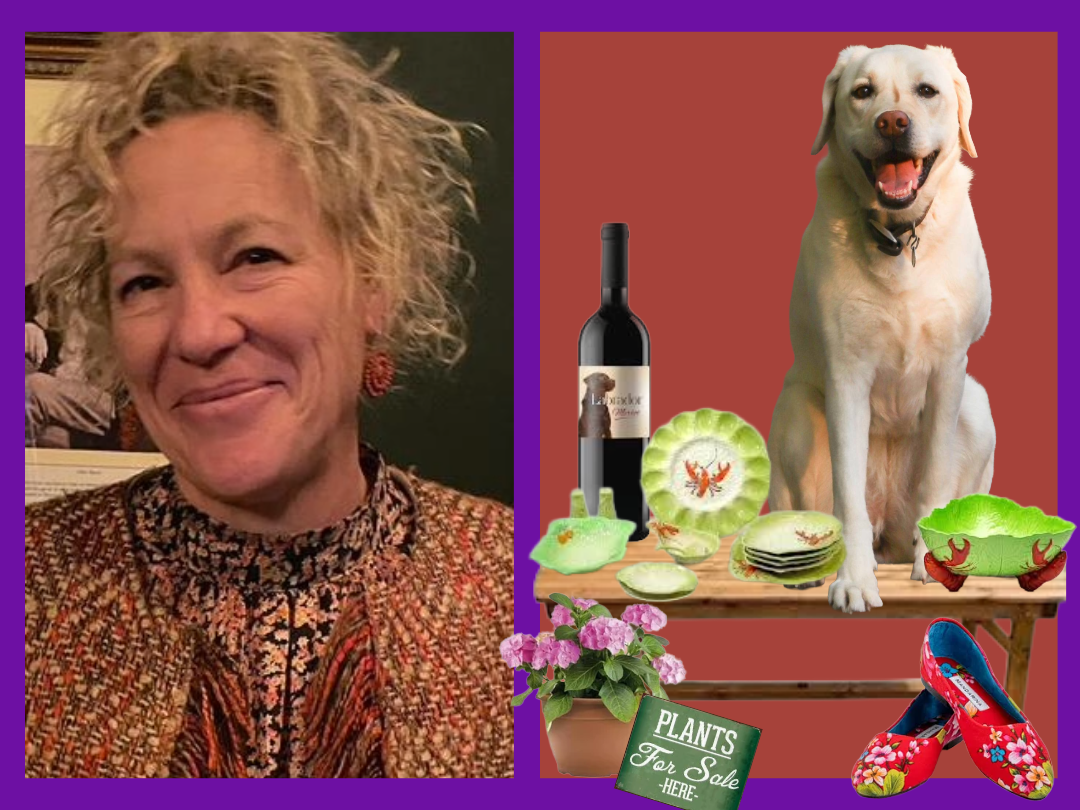
Emily Macdonald was born in England but grew up in New Zealand. She has stories published in anthologies and online journals such as Bull Lit, Fictive Dream, Punk Noir, Gooseberry Pie Lit and The Phare. She has been nominated for Best Microfiction (Raw List) and the Pushcart (Flash Frontier). She was shortlisted for the Cambridge Short Story prize in 2025 and the Bath Short Story Award in 2023 and 2024. Her collection of driving related stories, Wheel Spin and Traction, was published in November 2023.
 TRASH CAT LIT